


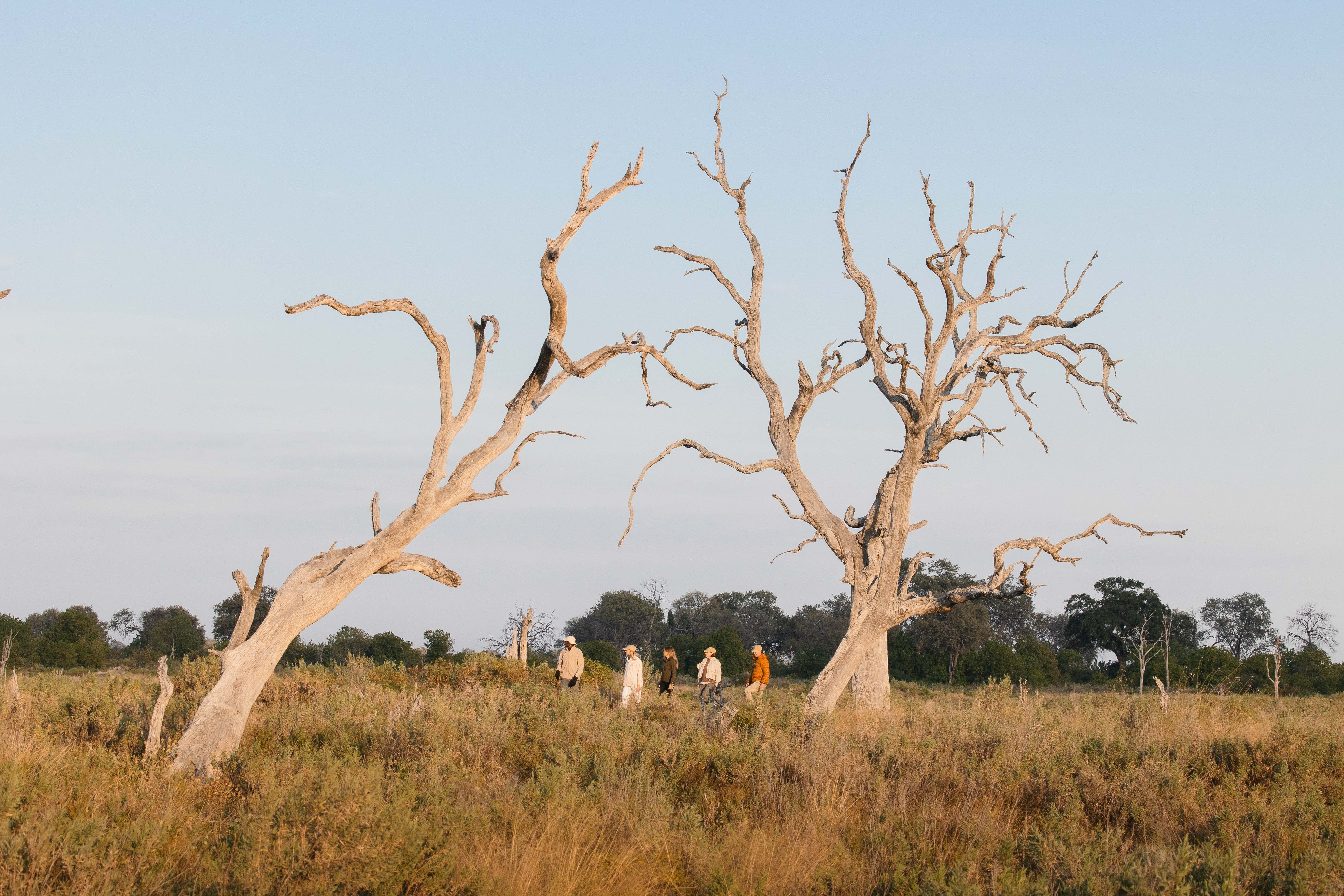
Located in the heart of the Kavango-Zambezi Transfrontier Conservation Area, the 30,000 hectare Nkasa Rupara National Park is a vital wildlife corridor linking Botswana, Angola, Zambia, and Namibia. With the park entirely unfenced, wildlife here moves freely across national boundaries, parks, and ecosystems, resulting in remarkably rich and diverse game viewing.
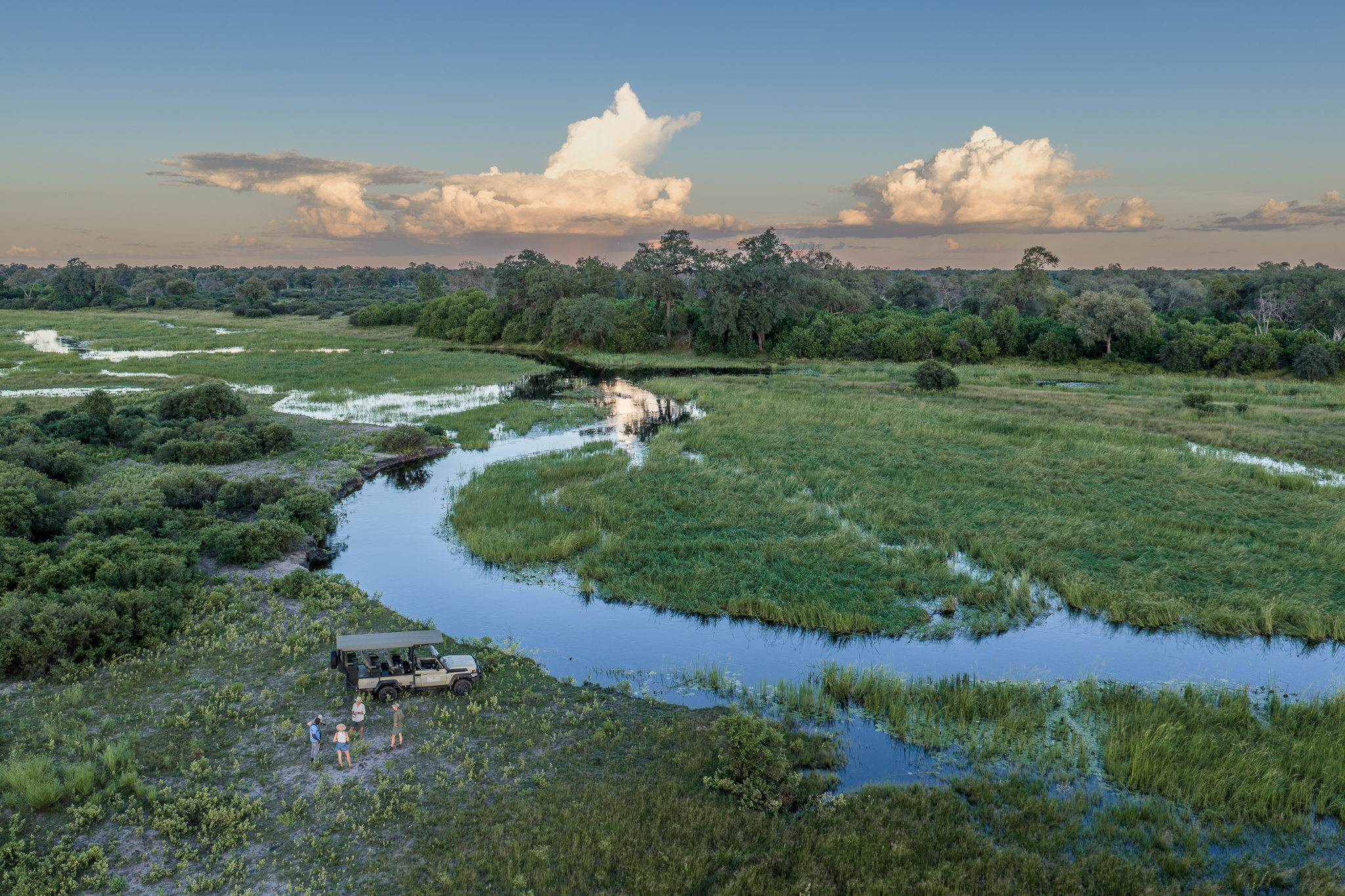
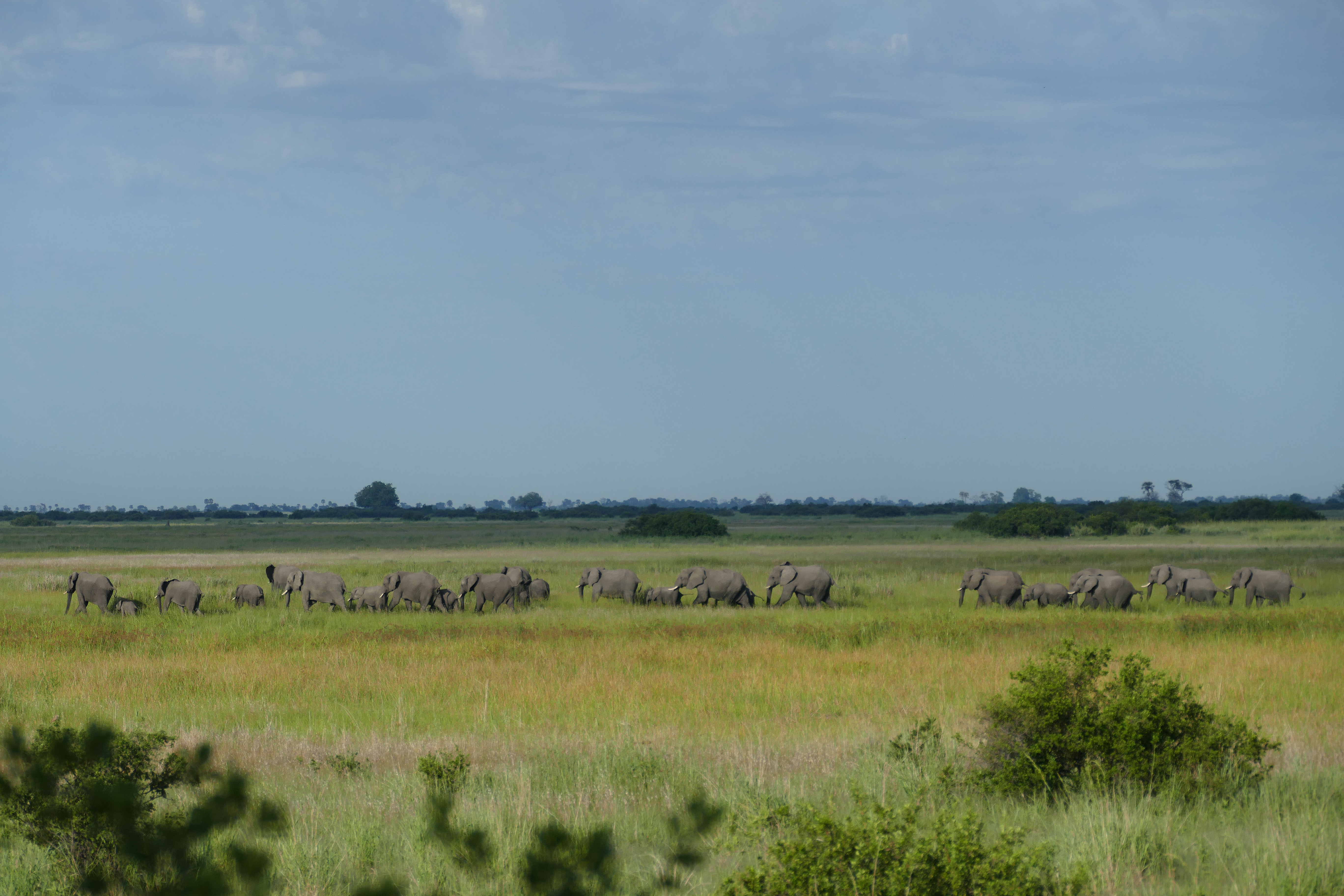
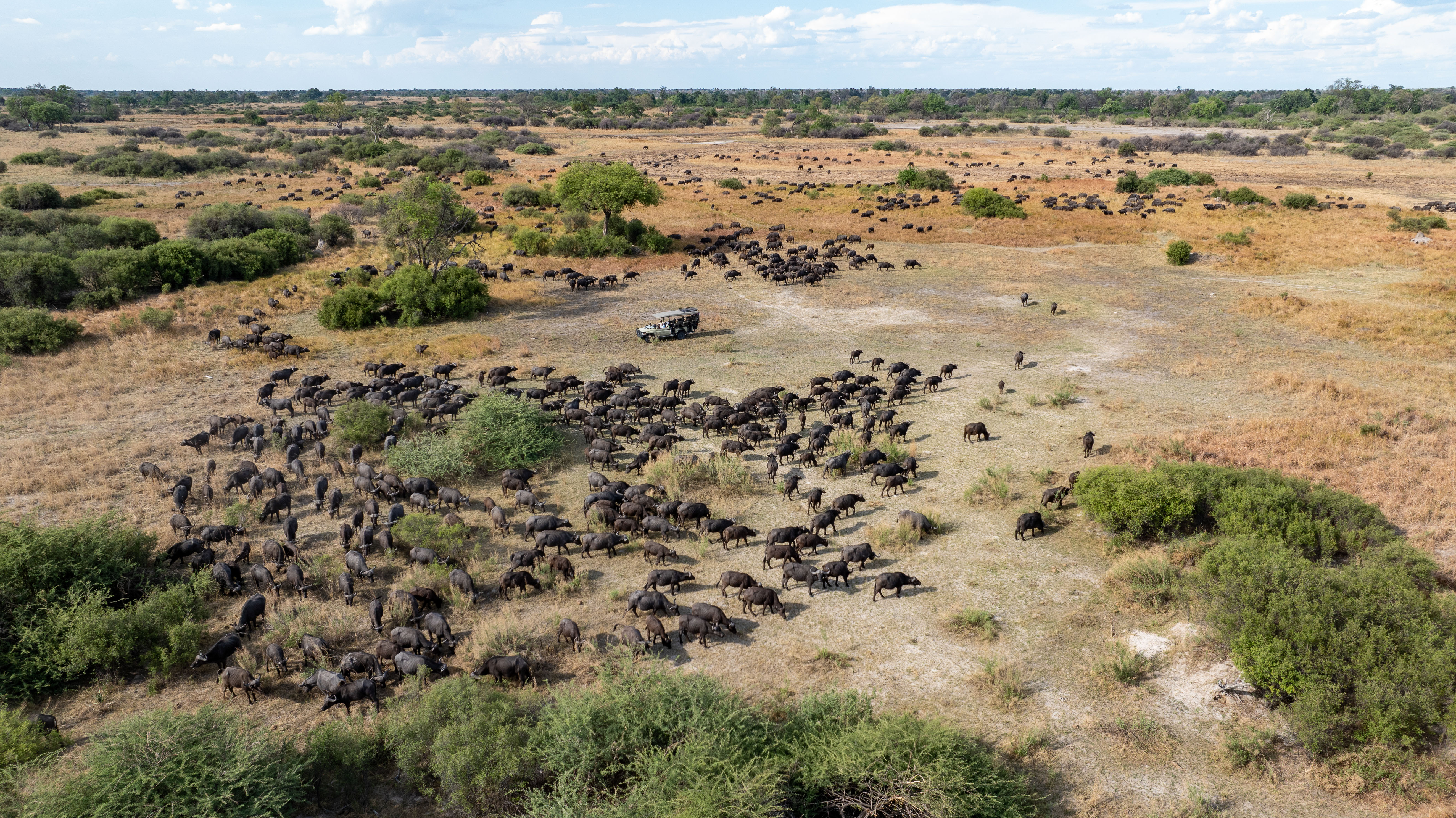
In the winter months, seasonal wetlands – fed by the Kwando and Linyanti Rivers – transform the park into a landscape reminiscent of the Okavango Delta. Here, reed-fringed channels, deep lagoons, and wooded islands provide sanctuary for everything from large hippo pods and semi-aquatic red lechwe to the elusive sitatunga. Vast herds of buffalo – the park is home to the largest concentration of buffalo in Namibia – roam the grassy floodplains, while elephants migrate in impressive numbers along the ancient routes that run through this vital corridor.
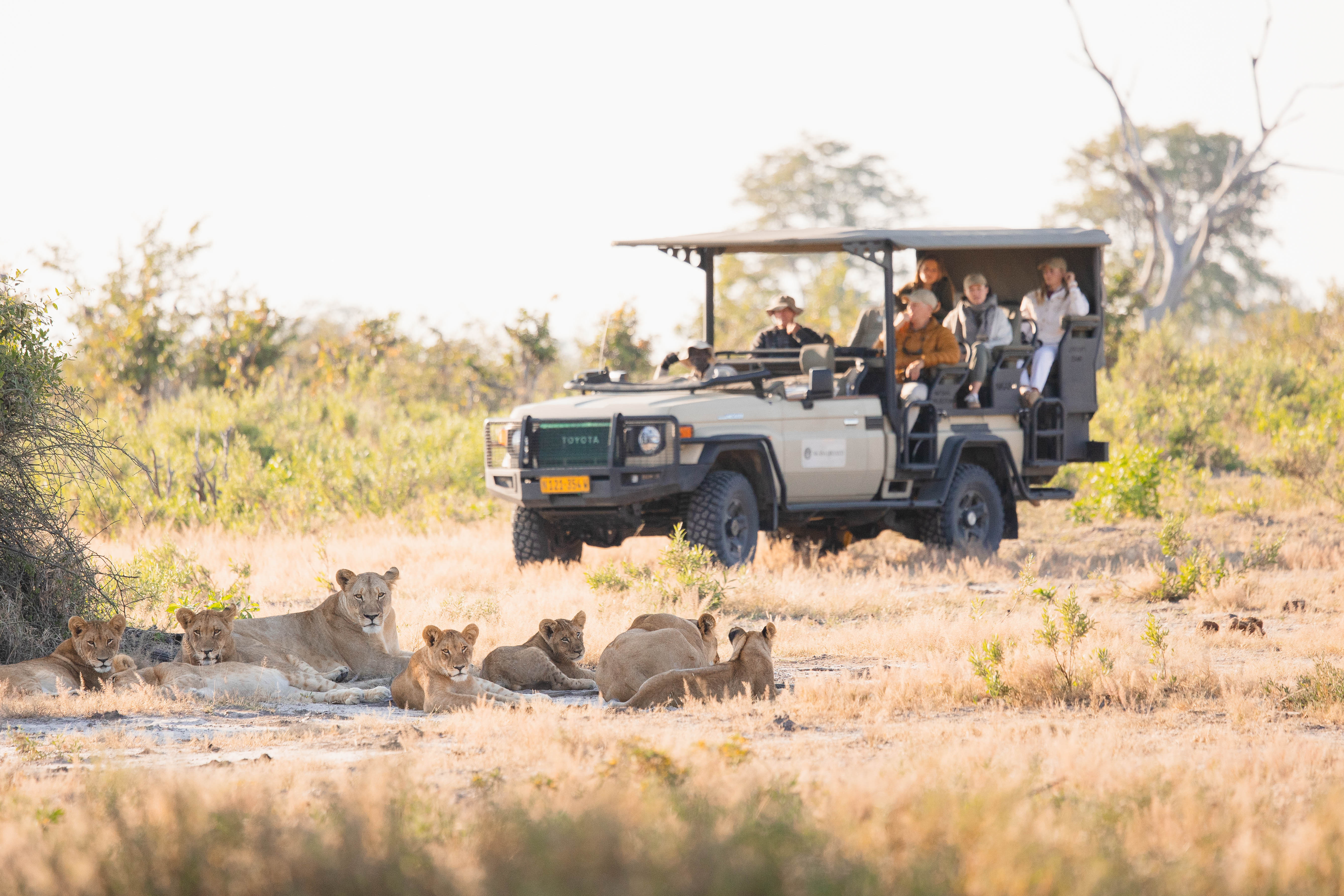
An array of predators—the park hosts healthy populations of both lions and leopards—stalk the abundant herds of plains game: impala, warthog, kudu and reedbuck, along with smaller groups of zebra and wildebeest. At night, listen out for the haunting call of spotted hyenas on the prowl and if you lucky you may encounter brown hyena. Wild dog are seen on occasions but they tend to keep their distance due to the high numbers of lion
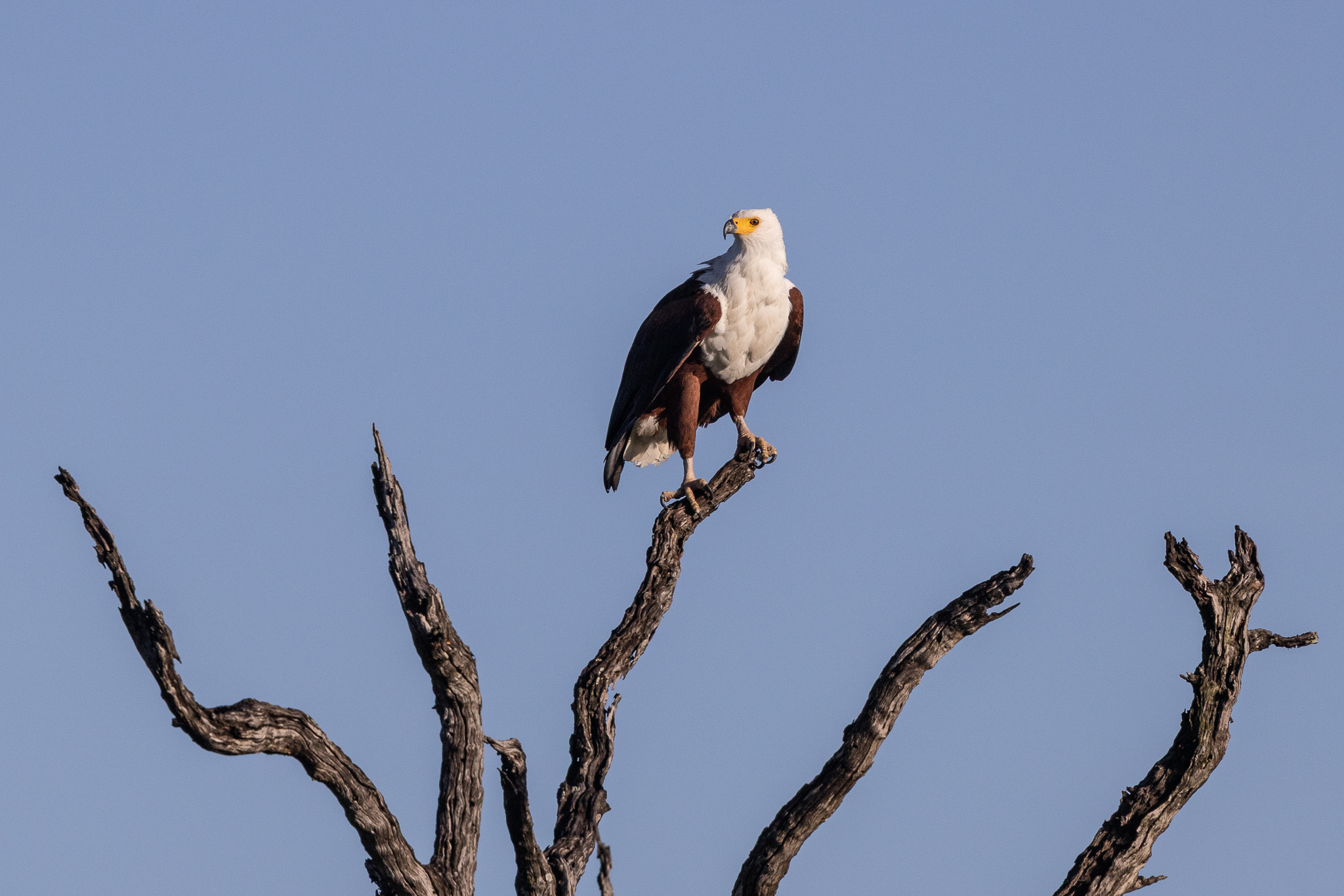
Nkasa Rupara is a renowned hotspot for birdwatching. With over 430 species recorded here, it stands as Namibia’s most productive birding destination, offering the opportunity to add the likes of wattled crane, black crake, and Pel’s fishing owl to your list.
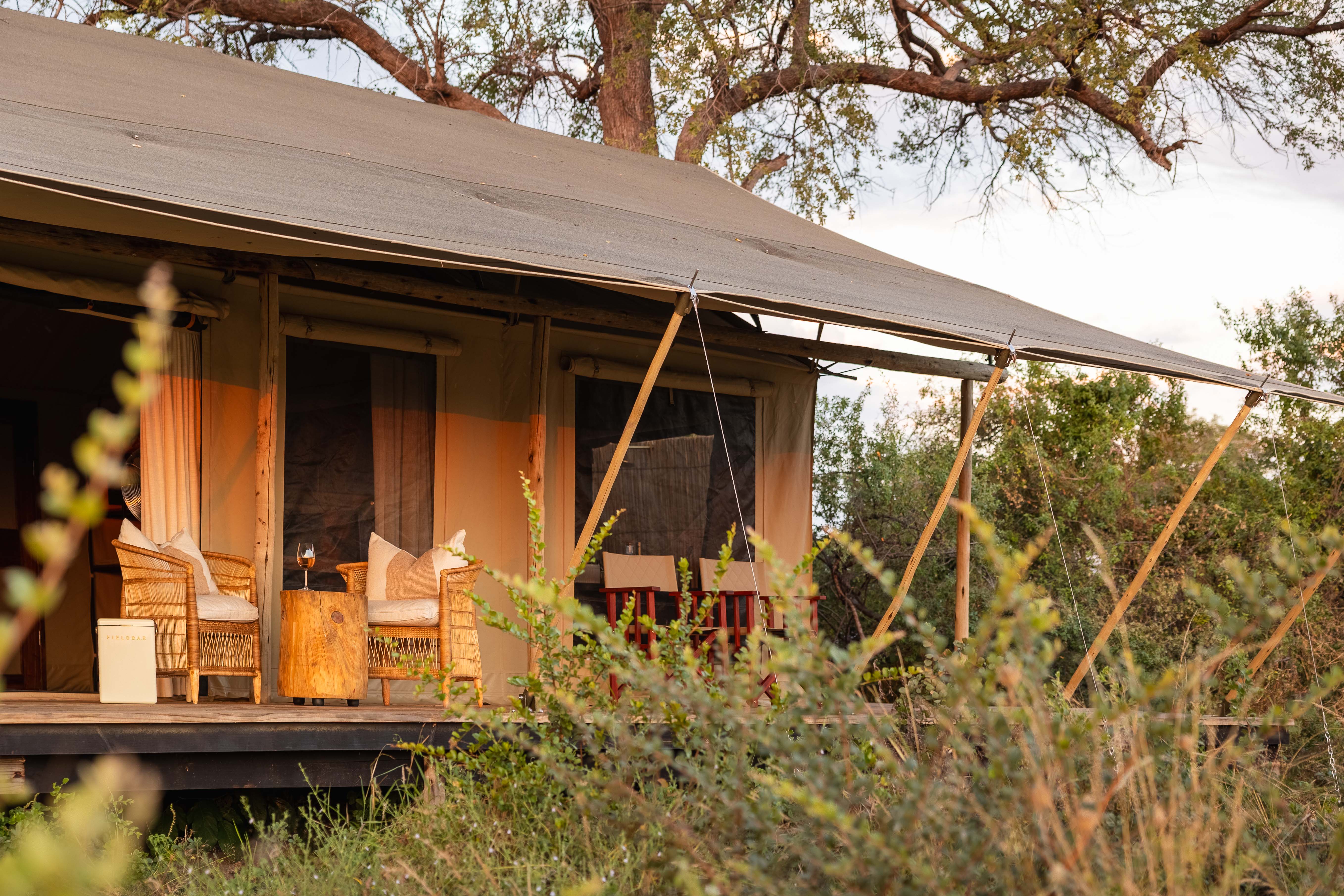
Shaded beneath leadwood and sausage trees, Nkasa Linyanti is a contemporary under-canvas camp offering modern comforts amid the lush wilderness of the Nkasa Rupara National Park. The camp’s six under-canvas tents are raised on wooden stilts, carefully designed to tread lightly on the delicate wetlands ecosystem while providing views across the floodplains. Canvas chairs and wooden tables may also be laid outdoors, where meals are served under starlight or the dappled shade of the forest canopy. In the heat of an African afternoon, look forward to a dip in the sparkling swimming pool.
A few steps further, you’ll find the communal firepit, set beneath the sweep of southern stars and surrounded by the wilderness of Nkasa Rupara. It’s a place for gazing at the heavens, accompanied by the nightly soundtrack of hyena whooping in the distance. (NatSelection)
TWIN TENTS
(6 ROOMS)
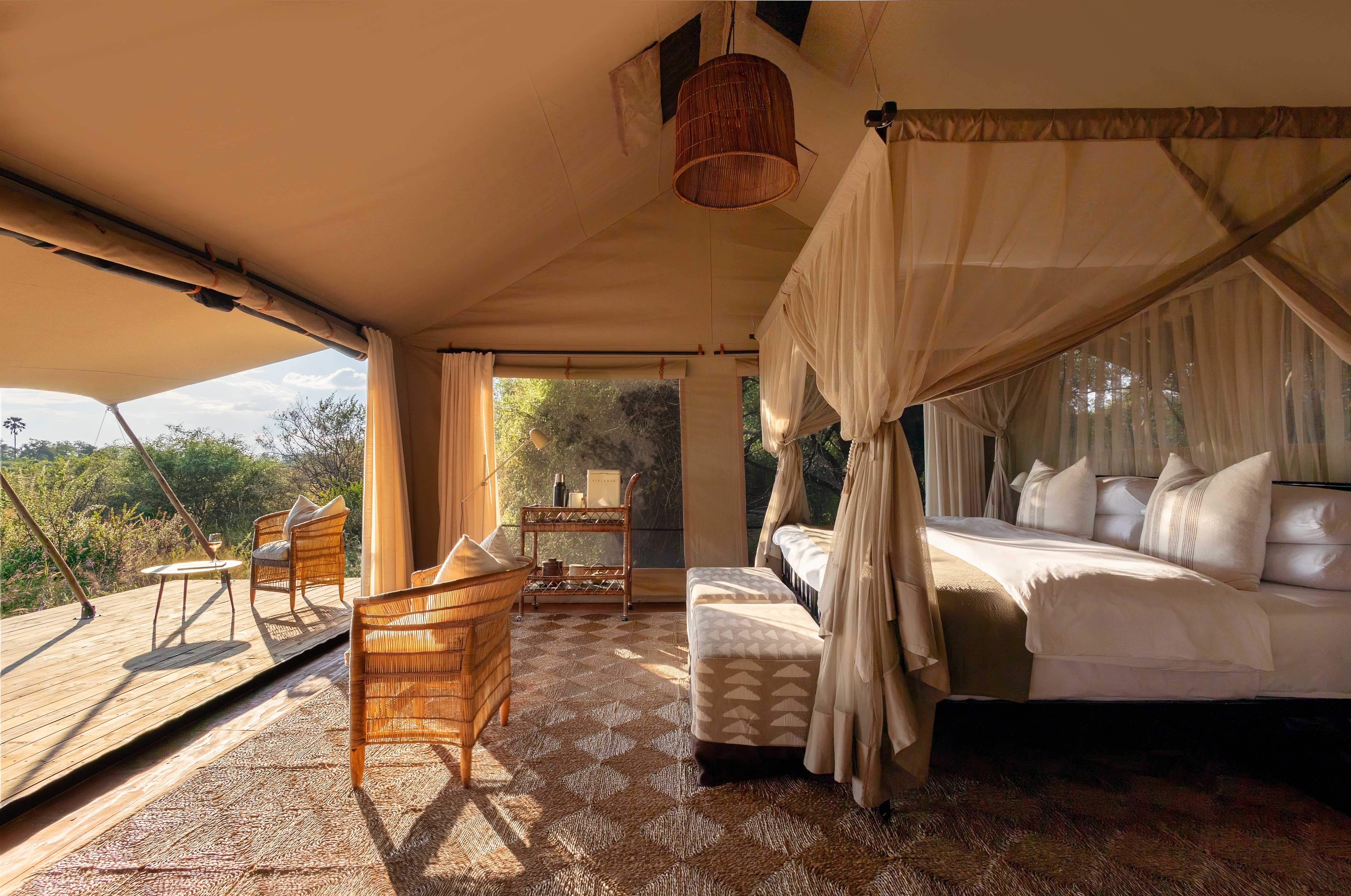
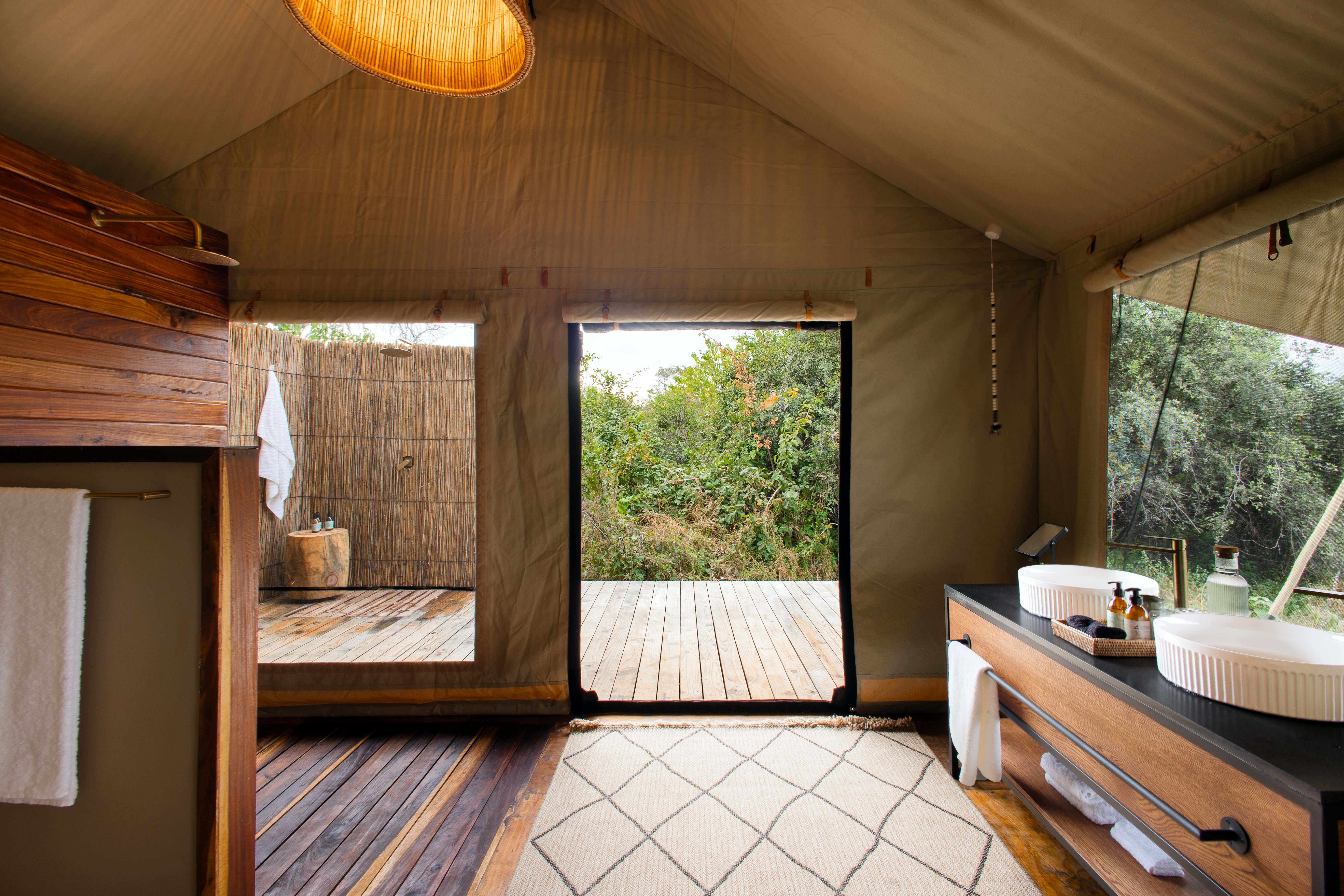
Shaded beneath leadwood and sausage trees, Nkasa Linyanti is a contemporary under-canvas camp offering modern comforts amid the lush wilderness of the Nkasa Rupara National Park. The camp’s six under-canvas tents are raised on wooden stilts, carefully designed to tread lightly on the delicate wetlands ecosystem while providing views across the floodplains. Positioned to take full advantage of this remarkable wilderness, each tent boasts canvas walls which open wide to invite the sweeping floodplain views to flow through the space. Entirely unfenced, Nkasa Linyanti offers a front-row seat to the pristine wetlands of the Linyanti ecosystem. Indoors, organic tones and textures echo the natural landscape: think woven baskets, hand-crafted cane chairs, and canvas furnishings paired with pared-back safari elegance and a contemporary African motif. Beds are draped in billowing mosquito nets, while en suite bathrooms offer both indoor and outdoor showers for an indulgent and immersive bush experience. Bright, open, and airy, the elegant communal area flows seamlessly from the contemporary lounge and bar area – ideal for trading tales of your day’s adventures – to the al fresco dining terrace shaded by wide sweeps of canvas.
Tents come with:
Balcony / Deck
Bed Linen
Complimentary Wi-Fi
Electrical Outlets
En Suite Bathroom
External Shower
Fan
Hand Towels
Laundry Service (Available)
Mini Bar
Mosquito Nets
Mosquito Netting
Oil/Paraffin Lamps
Outside Shower
Safe
Shower
Tea / Coffee
Wardrobe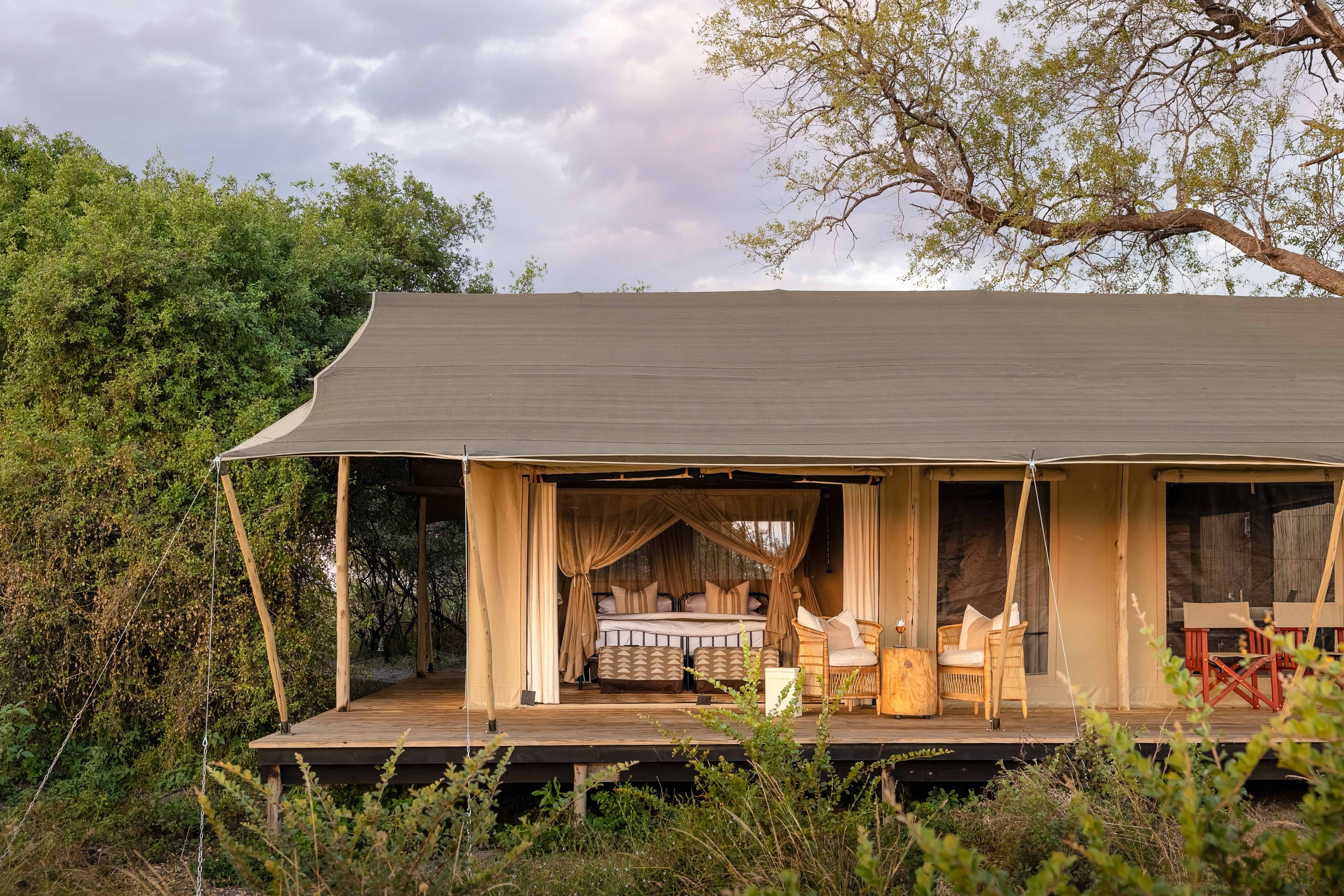
Located in the heart of the Kavango-Zambezi Transfrontier Conservation Area, the 30,000 hectare Nkasa Rupara National Park is a vital wildlife corridor linking Botswana, Angola, Zambia, and Namibia. With the park entirely unfenced, wildlife here moves freely across national boundaries, parks, and ecosystems, resulting in remarkably rich and diverse game viewing.
In the winter months, seasonal wetlands – fed by the Kwando and Linyanti Rivers – transform the park into a landscape reminiscent of the Okavango Delta. Here, reed-fringed channels, deep lagoons, and wooded islands provide sanctuary for everything from large hippo pods and semi-aquatic red lechwe to the elusive sitatunga. Vast herds of buffalo – the park is home to the largest concentration of buffalo in Namibia – roam the grassy floodplains, while elephants migrate in impressive numbers along the ancient routes that run through this vital corridor.
An array of predators—the park hosts healthy populations of both lions and leopards—stalk the abundant herds of plains game: impala, warthog, kudu and reedbuck, along with smaller groups of zebra and wildebeest. At night, listen out for the haunting call of spotted hyenas on the prowl and if you lucky you may encounter brown hyena. Wild dog are seen on occasions but they tend to keep their distance due to the high numbers of lion
Nkasa Rupara is a renowned hotspot for birdwatching. With over 430 species recorded here, it stands as Namibia’s most productive birding destination, offering the opportunity to add the likes of wattled crane, black crake, and Pel’s fishing owl to your list.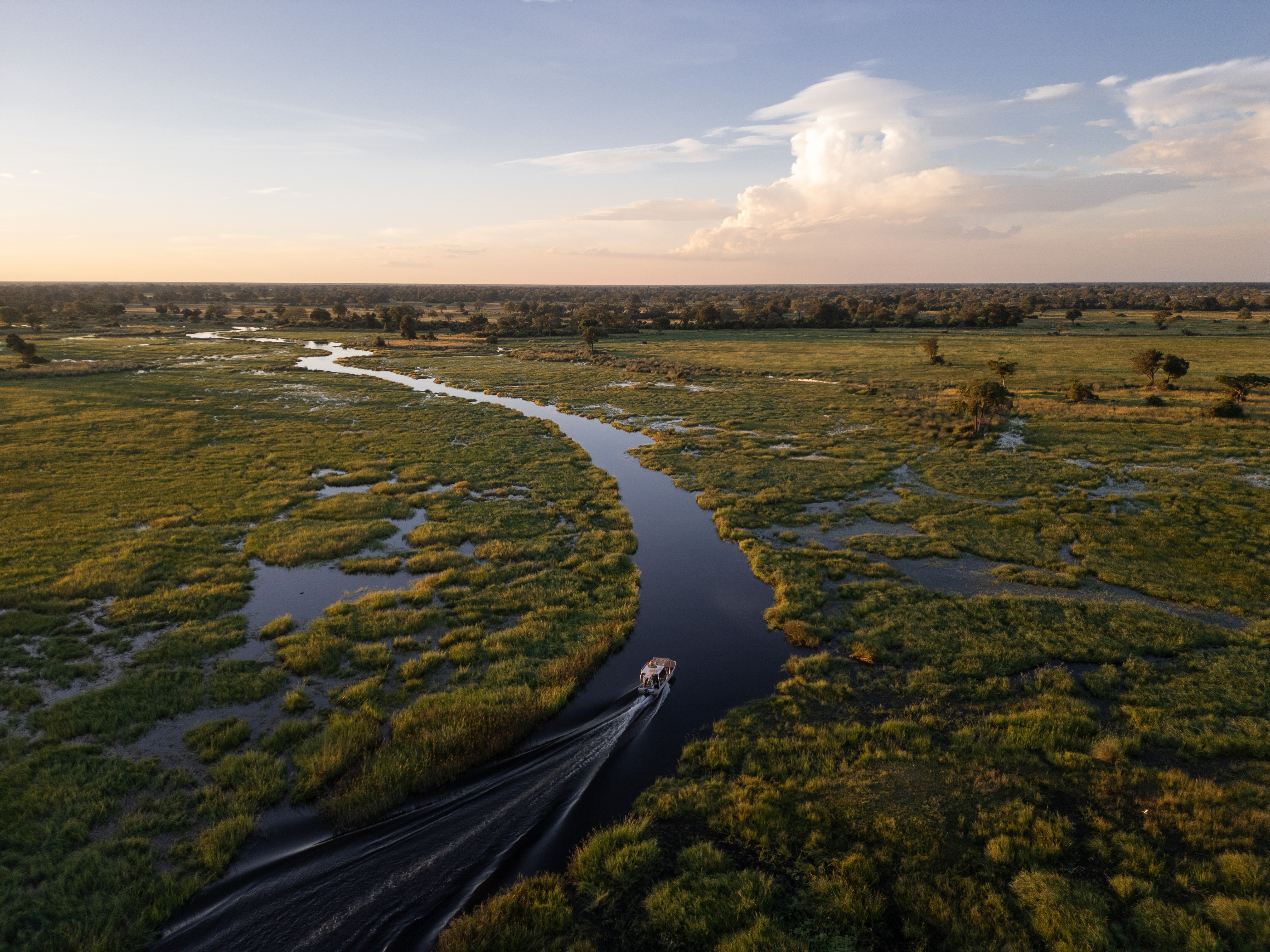
For more on Nkasa, click HERE
Natural Selection Foundation
When humans and elephants compete for space and resources, Human Elephant Conflict (HEC) is inevitable. The high numbers of elephants and high levels of human-elephant conflict among subsistence farmers in northern Botswana provide a uniquely challenging environment for HEC mitigation. Crop raiding, loss of food security and income, destruction of infrastructure and even mortalities are very real threats; finding a solution is critical to creating an environment of coexistence.
To this end, Natural Selection has recently funded the Botswana Predator Conservation (BPC) BioBoundary Project. They are investigating the efficacy of plant-based airborne elephant repellents to help protect crops and infrastructure. This is following the discovery that a readily available, safe and natural product is a powerful repellent to elephants.
This provides the first alternative to chilli peppers, and strongly suggests that other repellents may be waiting to be discovered.
Camera trap videos have shown how the scent of a commercial essential oil has stopped elephants from passing through a gap in a fence even though they were on an established elephant commuting path. Similar reactions have also been observed with predator repellents.
The hope is that BPC are able to develop an inexpensive low-tech means of dispensing repellents, based on locally available materials and optimizing repellents deployment for various applications. Ultimately fostering an environment for better co-existence.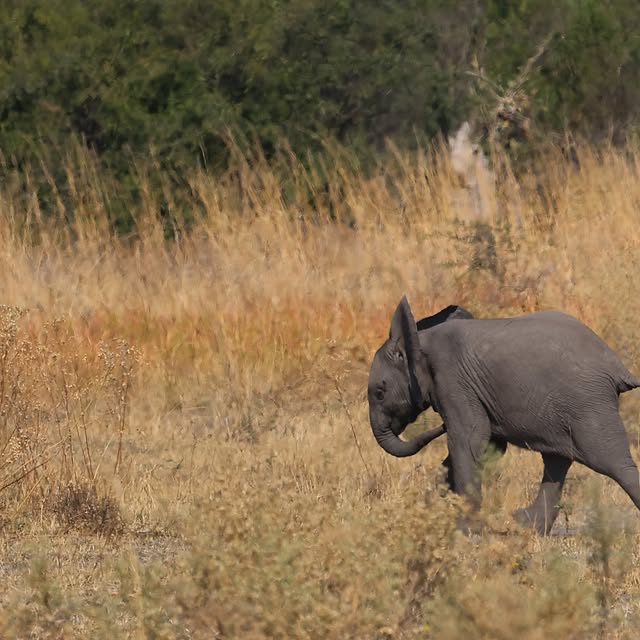
Wild Shots Outreach is an award winning NPO, with its most recent accolade being the International Gold Award from The Global Good Awards (2020). It is an immersive experience through which young adults from disadvantaged communities get to appreciate wildlife and wild places through the lens of a camera.
Welcome to the Corridor
Stay 5 nights / Pay 4
* Valid when combined with a Hoanib select property. Min 2 nights here (ex Jul + Aug).
Free road transfers to/from select Botswana Camps - 3 night min