


Nestled on the banks of the majestic Essequibo River in the heart of Guyana is the award-winning Iwokrama River Lodge and Research Centre. This eco-tourism gem is surrounded by a vast tropical rain forest which was donated to the international community in 1989 to demonstrate Guyana’s commitment to combating climate change and to show how tropical forests could be used to provide sustainable economic benefits. The Lodge consists of guest accommodations, a full service kitchen, restaurant, bar, two shops, and a boat dock.
Overlooking the river, is the bar and the restaurant, where, after an exciting day of discovery and exploration, you can enjoy traditional Guyanese cuisine at the restaurant. A computer with internet access is available in the tourism office, and the entire building is covered by WiFi internet access. A gift shop and a shop selling cold drinks, snacks and general items such as toiletries that you may have left at home is in the lower level. Not far away are two science laboratories and a conference room with air conditioning and which is wired for digital equipment such as computers and LCD projectors.
Cabins (8)
There are eight beautifully situated river facing cabins, each of which is spacious and beautifully designed, equipped with fans, bathroom, 24-hour electricity supplied by solar power, and a wrap-around verandah with hammocks. Our cabins are designed for two but with room for a third bed if required. From these comfortable cabins, watch the sun go down, listen to the many local birds and other wildlife or simply relax in your hammock. These cabins were built for comfort and are perfect for everyone, from families to friends traveling together.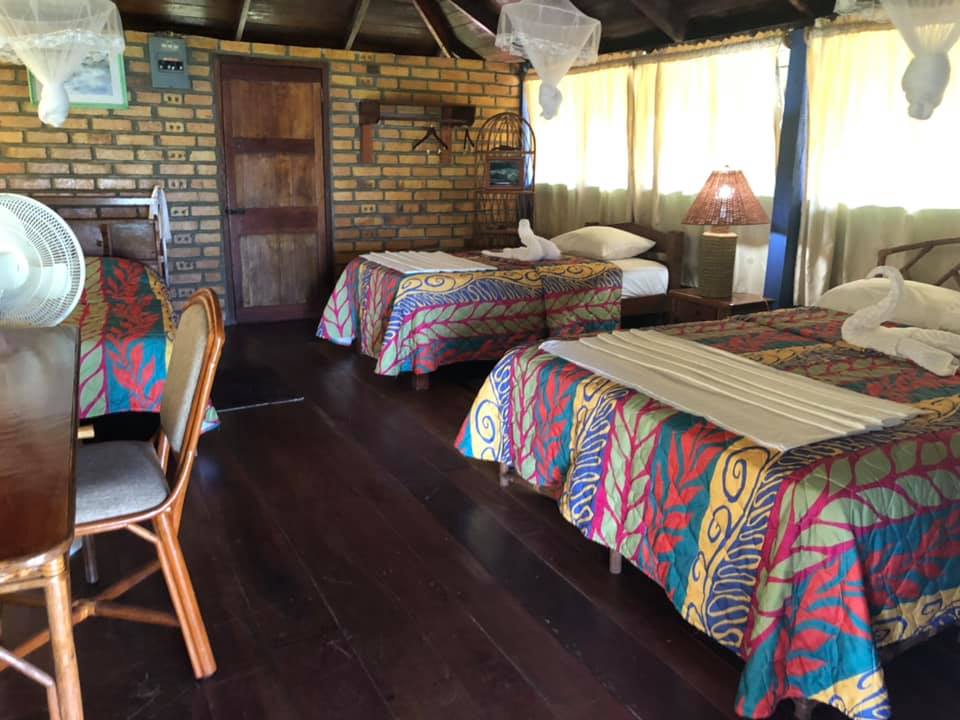
Turtle Mountain Camp
The adventurous and curious will want to spend a day or two exploring Turtle Mountain and the surrounding rain forest. The head of the Turtle Mountain trail is a 15 minute boat ride from the main lodge. Soaking in the views of horizon-to-horizon canopy cover from atop Turtle Mountain is a classic, unforgettable Guyana experience. Our cabins at the base of the mountain make a great base camp for excursions on in the forest or along the Essequibo River.
No matter whether you’re young or old, a veteran or new traveler, adventurous or merely curious… we cater to a wide range of interests, abilities, and backgrounds at Iwokrama. We believe everyone can enjoy a stay in the rainforest that is as stimulating, enlightening, or as relaxing as you wish.
Canopy Walk
Opened in November 2003, the 154 metre (505 ft.) Iwokrama Canopy Walkway offers a unique experience in the region and envelopes you in the jungle’s mid-level canopy through a series of suspension bridges and decks from heights of up to 30 metres (98 ft.).
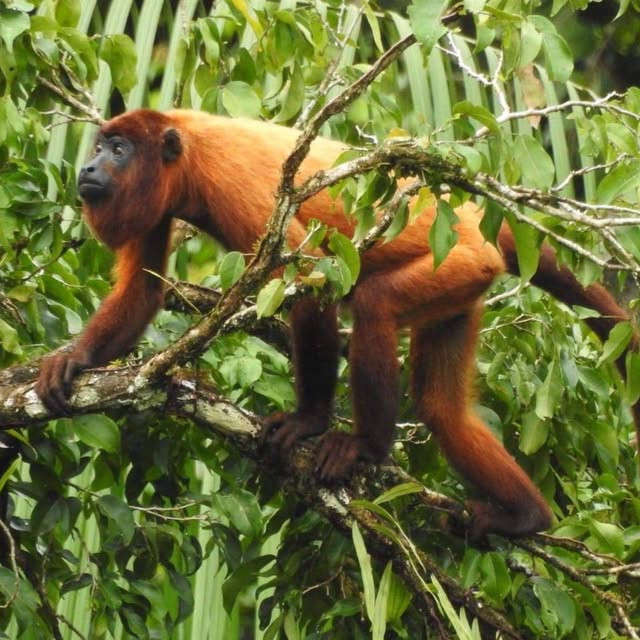
If you visit at dusk or dawn, you’ll have the best chance to see birds like the Green Aracari, Scarlet Macaw, Guiana Toucanette or Channel-bill Toucan. Red Howler Monkeys may also be observed. Check out the epiphytes such as orchids and bromeliads, and look for the amazing parasitic Ficus plant as it engulfs another tree. Ask your guide to show you the endemic Greenheart tree, the Waramadan (endemic in Guyana only to the IwokramaForest) and the poisonous Aromata! You can also spend the night at the nearby satellite camp and experience the “art of survival” with our knowledgeable guides.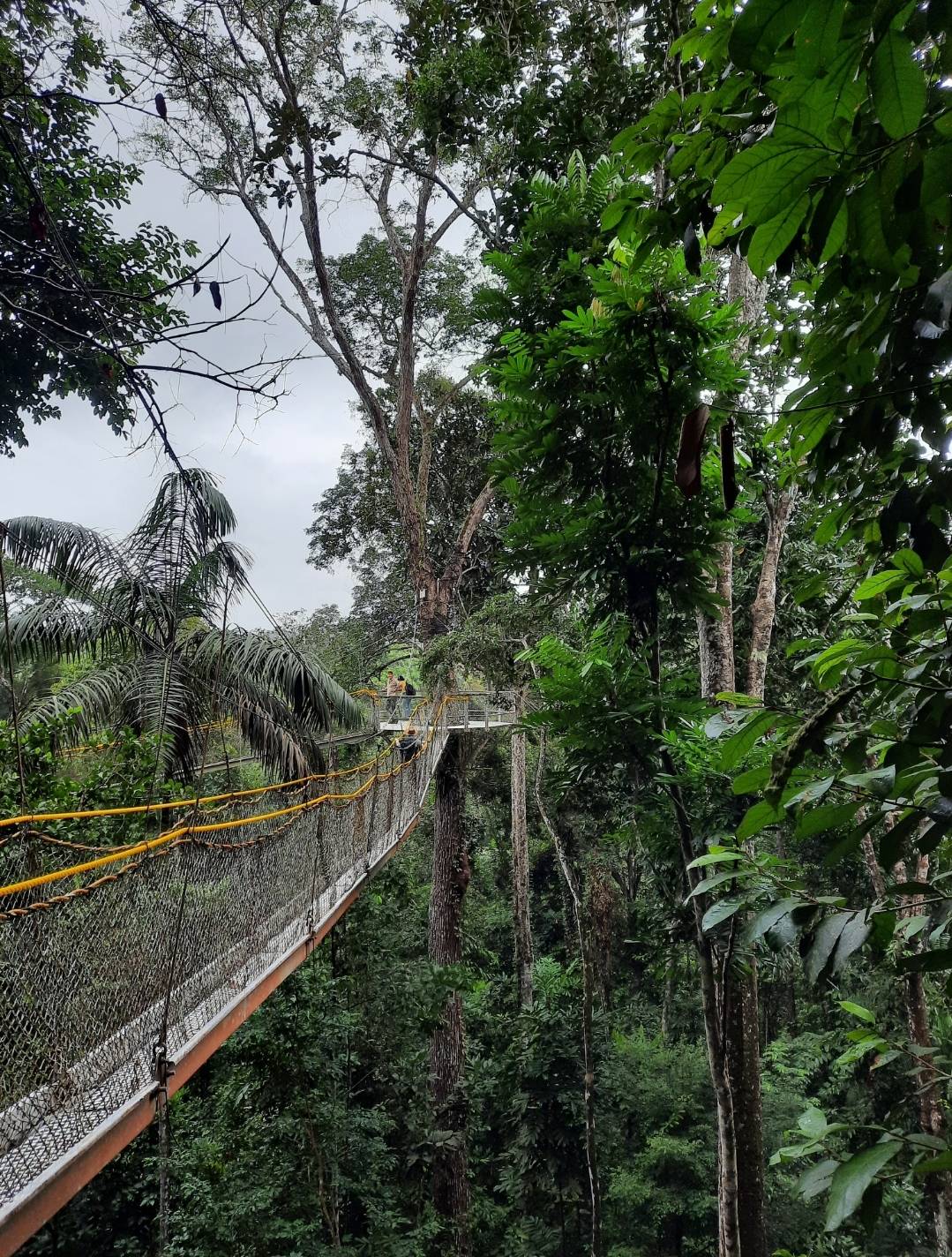
Nature Trails
The Prince Charles Nature Trail is located on the southern boundary of the Iwokrama forest and was created and named in honor of the Prince’s visit to this area in 2000. Here he signed the agreement to become Iwokrama’s Royal Patron under a towering Brazilian cedar. An 800 metre walk will take you through beautifully varied forest that connects with the 400 metre long Cock-of- the-Rock trail to form a loop. On the latter trail you will stop to investigate an active leak of the famous Guianan Cock-of- the-Rock with its luminous orange balls of feathers display among the boulder-strewn forested hillside which surely would be the highlight of the trip.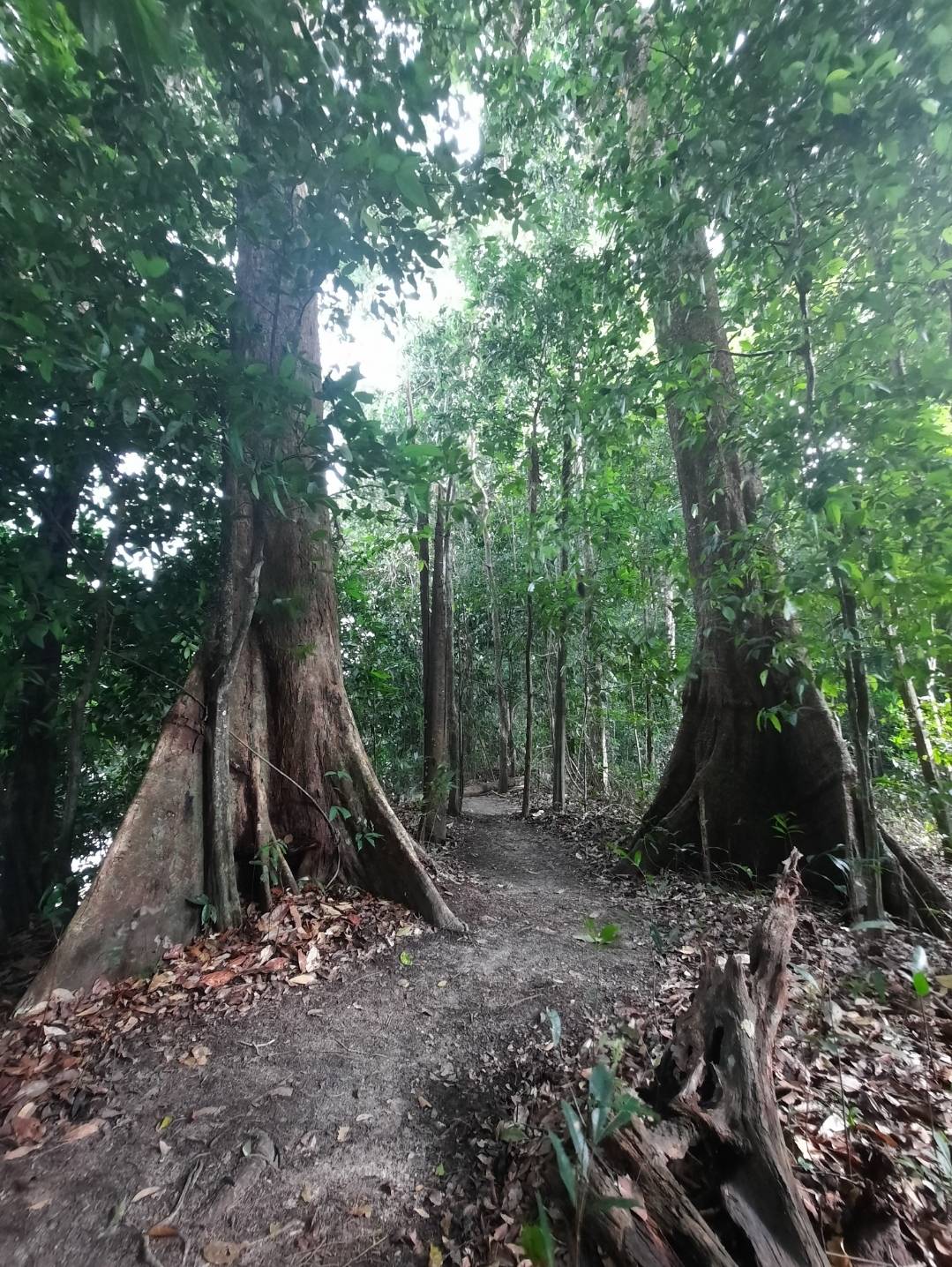
Boat Tour
At dawn you can take an early morning boat trip round Indian House Island. Ask your guide to show you the butterflies, snakes and macaws as they come out to have “breakfast” on the edge of the island.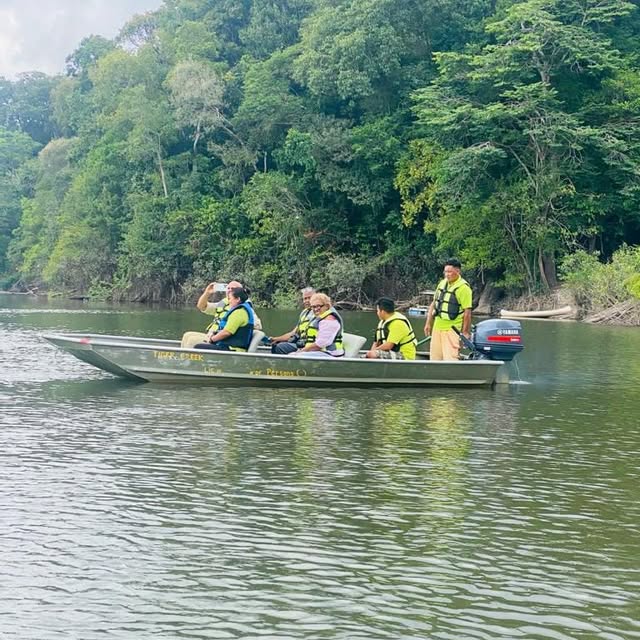
Night Tour
Just imagine yourself cruising on the Essequibo River through the black of night, maybe lit only by a pale moon. Your guide shines the spotlight and there it is… the red-eye glare of the Black Caiman! Frequently and closely seen lying on the river banks, the world’s largest of the alligator family grows to 6 meters (20ft.) long. A boat ride at night may also introduce you to other nocturnal creatures such as Tree Boas, Pacas, Nightjars, and Hula tree frogs.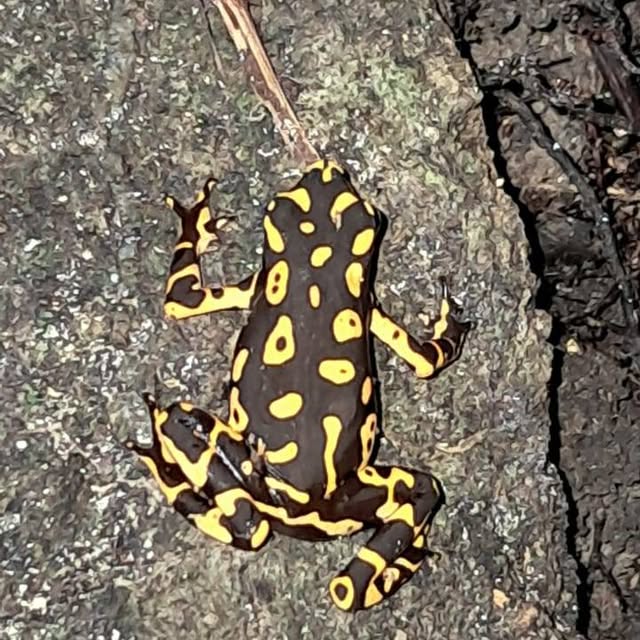
Jaguar Spotting
This early morning or dusk activity involves taking a drive along the Iwokrama Rainforest passage in search of wildlife. The Iwokrama Forest is rapidly gaining an international reputation for its healthy Jaguar populations that seem not to be troubled by the appearance of curious humans. No promises but many have been lucky.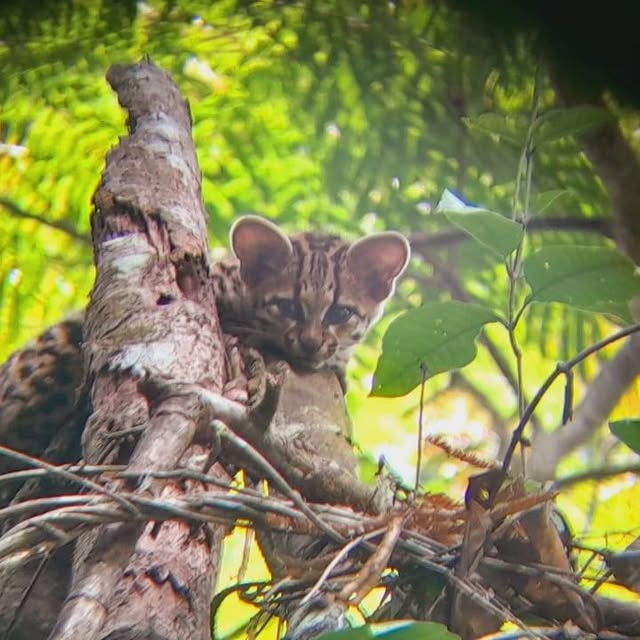
Turtle Mountain
A trip to Iwokrama is not complete without hike to the top of Turtle Mountain. Take a 30-40 minute boat journey downriver and then hike the 2 mile trail up to 300 metre (950ft) summit for a stunning jungle vista punctuated by the powerful Essequibo River snaking through the forest. Numerous bird species can be spotted on the lower trail including the Red-and- Black Grosbeak, Yellow-billed Jacamar, and Brown-bellied Antwren. The journey may also reward you with sightings of monkeys such as Red Howlers, Wedge-capped Capuchins and Black Spiders, as well as Agoutis and Deer. For those of you who may find the trip to Turtle Mountain too strenuous, continue on the boat ride further downstream to a section of flooded várzea forest known as the Stanley Lakes. Here youtraverse through a maze of small channels and oxbow lakes by boat as they pass through a palm-rich forest which is largely inaccessible by foot. You are likely to see river turtles as well as bird species such as Anhingas and Ospreys and the (very) occasional Harpy Eagle!
Birding
The wonderful opportunity to see the diversity of birds in the Iwokrama Forest is ideal for anyone from the serious ornithologist to the casual naturalist. With over 500 species of birds in the Forest, bird watchers are sure to be rewarded! The Capuchinbird, Purple Crimson Topaz (largest hummingbird), Guianan Red-Cotinga, Cock of the Rock, and the rare Rufous-winged Ground Cuckoo are just a small sample of the birds you might see when visiting Iwokrama.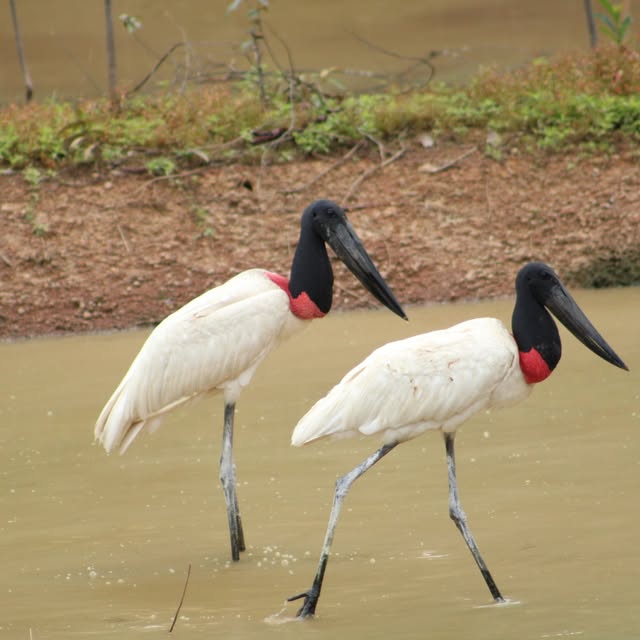
Petroglyphs
During the low water season take a boat ride to visit the ancient petroglyphs near to fair View village.These stunning works of art are estimated to be over 6,000 years old.
Mori Scrub
This sandy soil trail is located in an area along the main road and supports unique vegetation. This is a good place to look for Rufous-winged Ground-Cuckoo, Rufous-crowned Elaenia, Black Manakin, and Red-shouldered Tanager.
Canoeing
For a small rental fee enjoy a leisurely canoe ride on your own along frontage of the River Lodge, under the watchful eyes of one of the guides.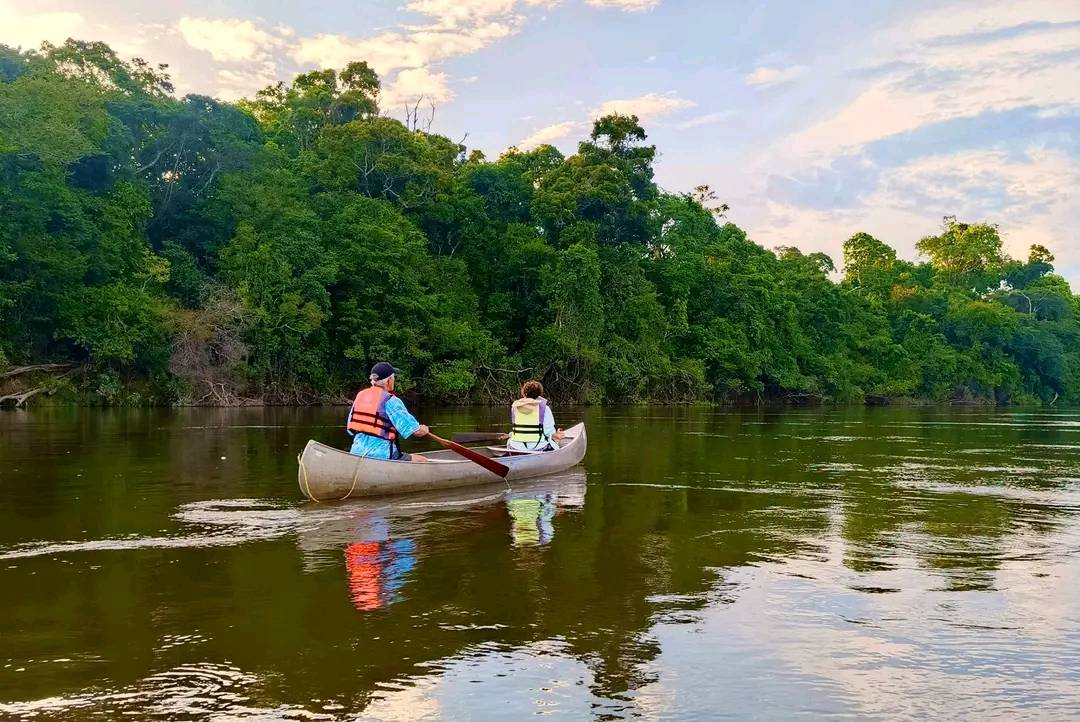
Wildlife Trails
Explore one of the nearby wildlife trails near the Field Station with an experienced Iwokrama Guide. Ask your guide about the Mora, Soft Wallaba and Wamara trees and the Screaming Piha, the Grey Chinned Hermit, and the Black-necked Aracari.You might even spot Howler Monkeys or a Sloth. After dinner, take a nocturnal guided nature walk from the Field Station; things to look out for are nocturnal creatures such as Boas, Pacas, Nightjars, and Hula tree frogs, bats and many other animals of the night.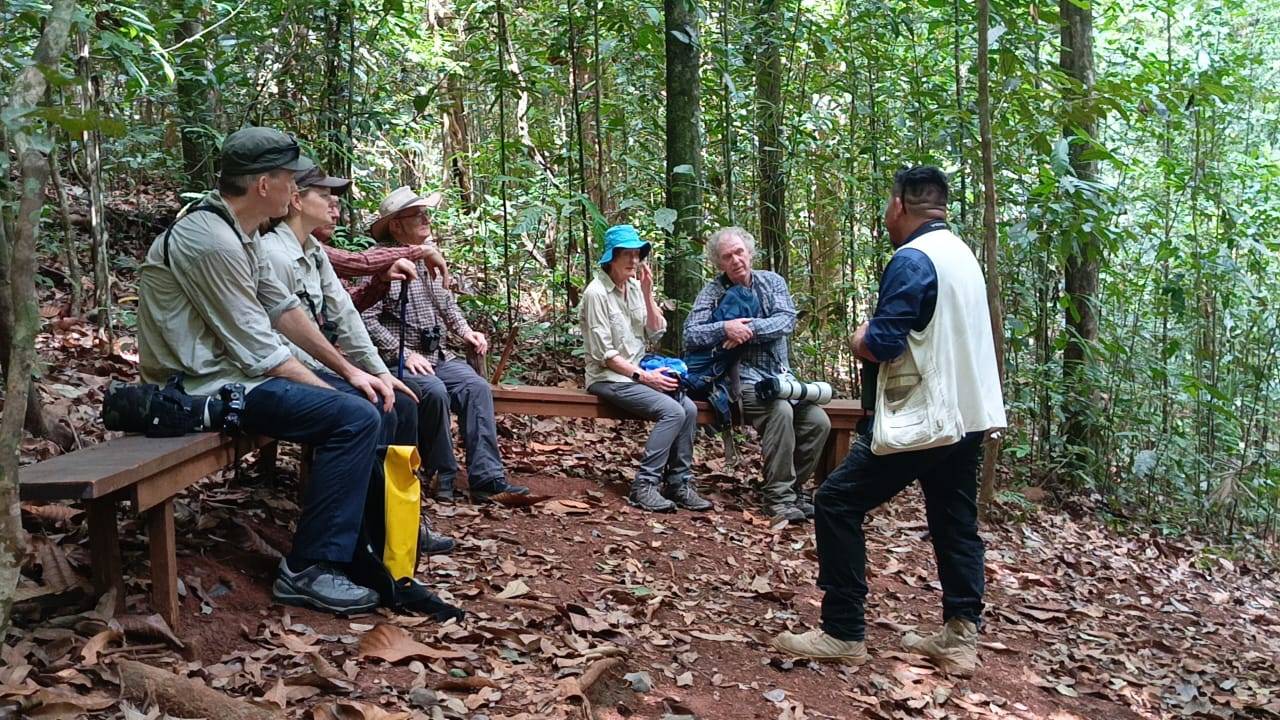
Waterfalls
The falls between Michelle’s Island and the village of Fair View is a favorite daytime swimming hole for local boys and a favorite spot for us when we head out to the river after dark looking for nocturnal critters.
The mission is to promote conservation and the sustainable and equitable use of tropical rainforests in a manner that will lead to lasting ecological, economic and social benefits to the people of Guyana and to the world in general by undertaking research, training and the development and dissemination of technologies. Learn more about our work at iwokrama.org.