
The Voodoo Voyage - 29 days
From Cotonou to Bissau
Benin - Togo - Ghana - Ivory Coast - Liberia - Sierra Leone - Guinea Conakry - Guinea Bissau + the Bijagos Archipelago!
Dates:
Dec 6, 2026-Jan 3, 2027
Mar 4-Apr 1, 2027
* Contact us for more details and rates
The route follows the Atlantic edge of West Africa, beginning in Benin and Togo, where Voodoo is not folklore but a living presence woven into everyday rhythms. On Lake Nokoué, Ganvié rises from the water on wooden stilts, a village navigated entirely by canoe, shaped by centuries of adaptation. In Ouidah, the Slave Route traces a powerful path from the town to the sea, ending at the Door of No Return, while masked Zangbeto figures animate villages in ritual dances of protection and purification. Lomé offers a striking contrast: a lively coastal capital where the legacy of the Nana Benz traders, colonial-era buildings, and Africa’s largest fetish market coexist in a vibrant urban mosaic.
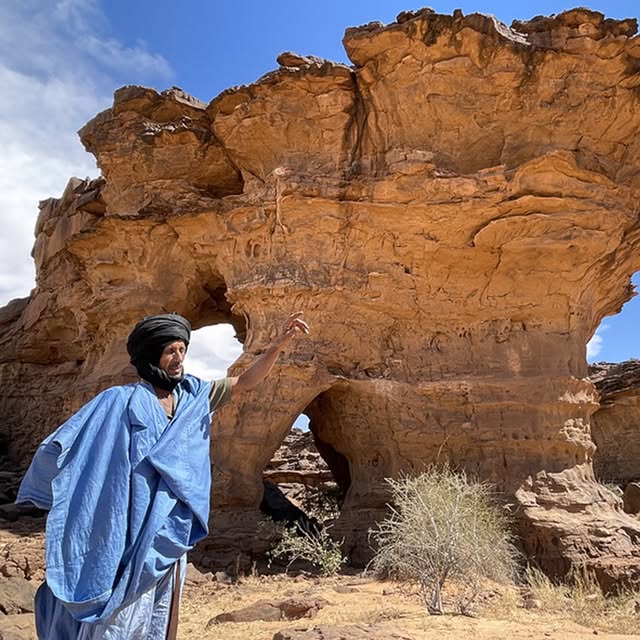
Ghana introduces a different cadence, marked by craftsmanship, history, and sound. In Accra, artisans create elaborate fantasy coffins - bold, symbolic forms celebrating life and profession - while Kumasi, heart of the Ashanti kingdom, reveals its royal past through gold adornments and sprawling markets. High above the forest floor in Kakum National Park, suspended walkways cross the canopy, opening views over untouched rainforest. Along the coast, the forts of Elmina and Axim stand firm against the Atlantic, enduring witnesses to the era of the Gold Coast.
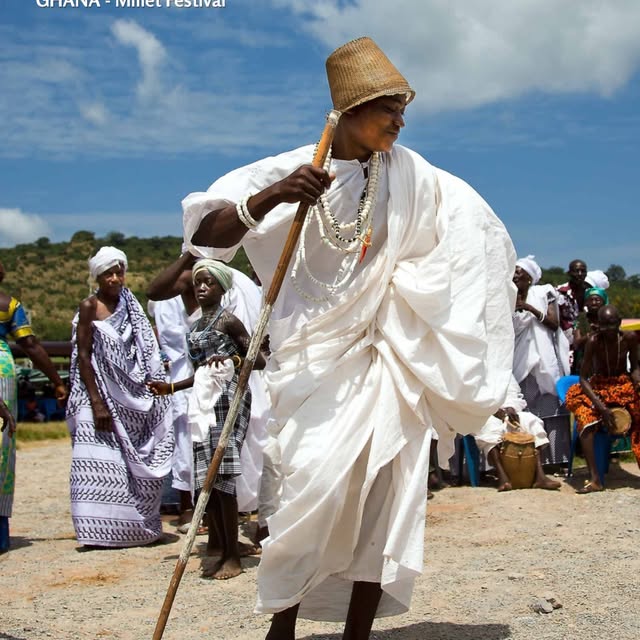
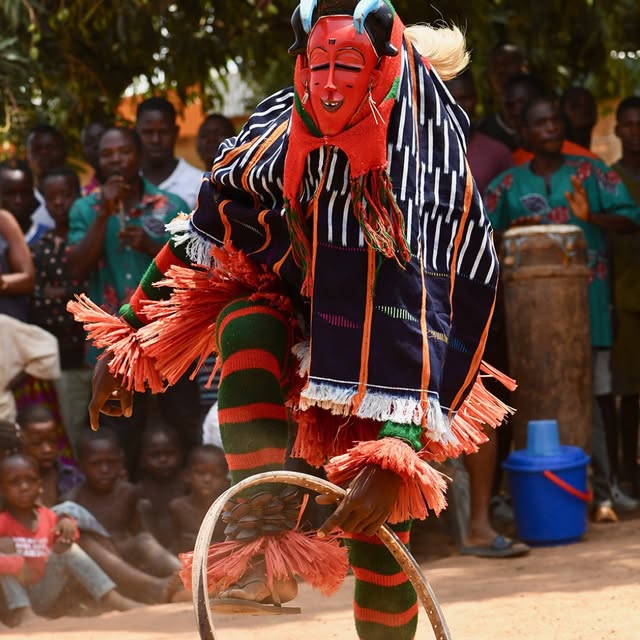
In Ivory Coast, the atmosphere shifts again: Grand-Bassam retains a faded colonial elegance, while Abidjan pulses with modern energy and vertical ambition. Yamoussoukro surprises with the monumental Basilica of Our Lady of Peace, rising improbably from the savannah. Deeper inland, within forested regions, Guéré and Dan masks emerge during ceremonies, embodying spiritual authority and aesthetic refinement. Handwoven liana bridges span jungle rivers before the journey crosses into Liberia, once known as the Pepper Coast. Founded by formerly enslaved African Americans, the country reveals its layered identity in Monrovia, where Kriol traditions, Masonic symbolism, and remnants of the colonial past speak of struggle, self-determination, and endurance.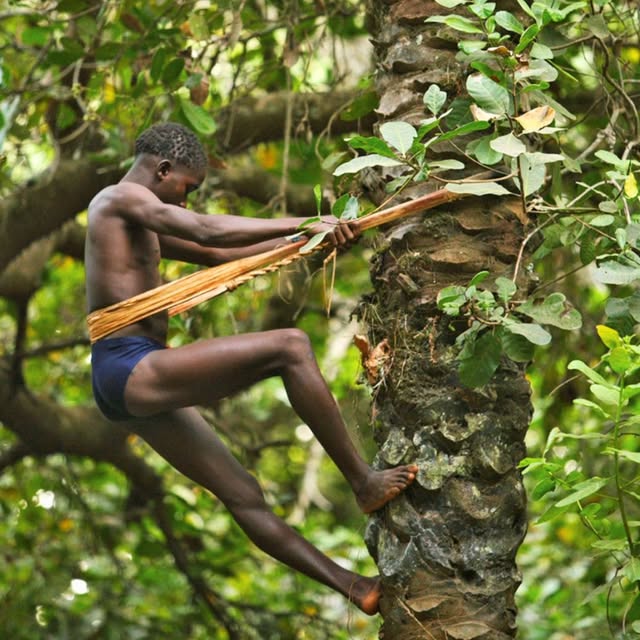
In Sierra Leone, waterways reflect both natural beauty and the legacy of diamond mining, while the rare Bundo masks of women’s secret societies reveal layers of initiation and ancestral knowledge. The Atlantic remains a constant presence: Banana Island, the long beaches of the Freetown Peninsula, and the capital itself - once celebrated as the “Athens of West Africa” - still carry the memory of freed slaves who shaped its identity. Beyond the coast, Guinea opens into wide valleys climbing toward the Fouta Djalon highlands, ancestral land of the Peul pastoralists. In Dalaba, the so-called “House of Words” preserves Fulani bas-reliefs carved with meaning and history. The rhythm of drums heralds the appearance of the Baga Nimba mask, a powerful figure embodying fertility, protection, and collective strength.
The journey’s final stretch leads into Guinea-Bissau. Among the Malinké, griots pass down epic songs rooted in the legacy of the Mali Empire. Offshore, the Bijagós Archipelago unfolds as a constellation of islands where daily life follows ancient cycles, largely untouched by the modern world. In Bolama, the former capital, colonial structures lie slowly overtaken by tropical vegetation, while on Bubaque the Vaca Bruto mask - part human, part bull - emerges in ritual dance, raising dust and voices. In Pepel territory, the scent of palm trees and sugarcane fills the air as a priest seeks guidance from the spirits, and evening settles over clay dwellings and slender palms. The journey concludes in Bissau, where Atlantic waters and enduring beliefs continue to murmur stories of the past.
* Please note that this journey can be joined on shorter legs, please inquire. (TransAf)